
Informational introduction to transformation
Clarifying analytics and business transformation concepts objectively
General information: business transformation and analytics
All terms in this section are defined neutrally, without implying recommendations or individual outcomes. I focus on general context only.
Analytics and process optimization mean ongoing review of data and workflows. I contrast continuous monitoring with fixed schedules, describing trade-offs in adaptability.
Information and definitions
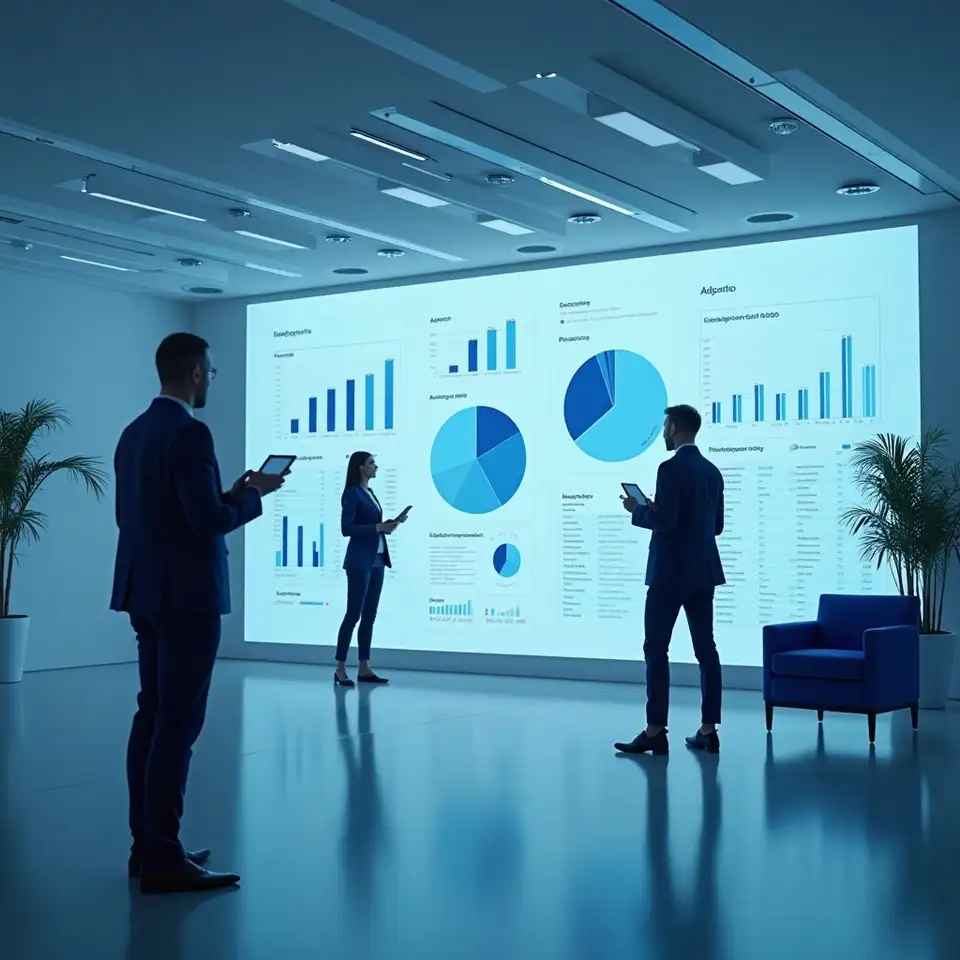
Defining transformation and analytics concepts objectively
Content clarifies foundational terms and structures without offering individual advice. All use is voluntary.
I use this page to describe business transformation, analytics, and scalability for informational purposes. All content is neutral and avoids personal recommendations.
Analytics and AI serve as objective tools to identify trends in business performance. I position them against experience-based judgments, noting possible limitations.
Analytics involves the systematic examination of data to inform process changes. I compare this with traditional reporting, emphasizing evidence over opinion.
Process optimization means continual refinement of workflows. I contrast structured improvement cycles with static procedures, noting advantages and risks.
Process improvement illustration

 Before
After
Before
After

Further information
Voluntary use and general context for information provided
This section clarifies the general context for all business transformation concepts discussed on the site. I define each core idea objectively and without offering individual recommendations. Use of this information remains at your discretion and should not be interpreted as tailored guidance. All content is designed to support voluntary, informed use only.
Contact usCore analytics and transformation concepts
This section defines foundational concepts for analytics, AI, and process optimization. Each is presented independently and for general information only. No individual recommendations are included.
What is data analytics?
Artificial intelligence means automated pattern detection and decision support. I contrast this with manual processing, noting that AI may require complex maintenance.